Most of us only notice roofs when something goes wrong: a slipped tile after a storm, a stain spreading across an upstairs ceiling, scaffolding appearing two doors down. Yet a town’s roofline tells its own story. In Chelmsford, where older streets sit beside business parks, schools and newer housing estates, the mix overhead is part of the town’s character.
Roofs also show how a town changes over time. Victorian terraces were built with different materials and assumptions from post-war offices or modern distribution units. As weather patterns grow less predictable, these surfaces are being asked to do more than they were a generation ago. Heat, driving rain and sudden cold snaps expose weak points that once passed unnoticed.
That is partly why local interest in Chelmsford roofing makes sense beyond the trade itself. It sits where maintenance, architecture and day-to-day resilience meet. A sound roof affects how long buildings last, how much energy they lose, and how disruptive a wet winter becomes for households, workplaces and public spaces.
The view from street level
There is something revealing about looking up in any town centre or residential road. You start to notice:
- patch repairs that hint at recurring leaks
- extensions where old and new materials meet awkwardly
- warehouse and school roofs that rarely draw attention unless they fail
None of this is glamorous, which may be why it is easy to miss. But dependable roofing is one of those background essentials that shapes daily life more than people realise. It protects stock at work, keeps classrooms usable and spares householders the misery of emergency repairs in the middle of January. In that sense, a roof is not just a practical layer on top of a building. It is a small measure of how well a place looks after itself.
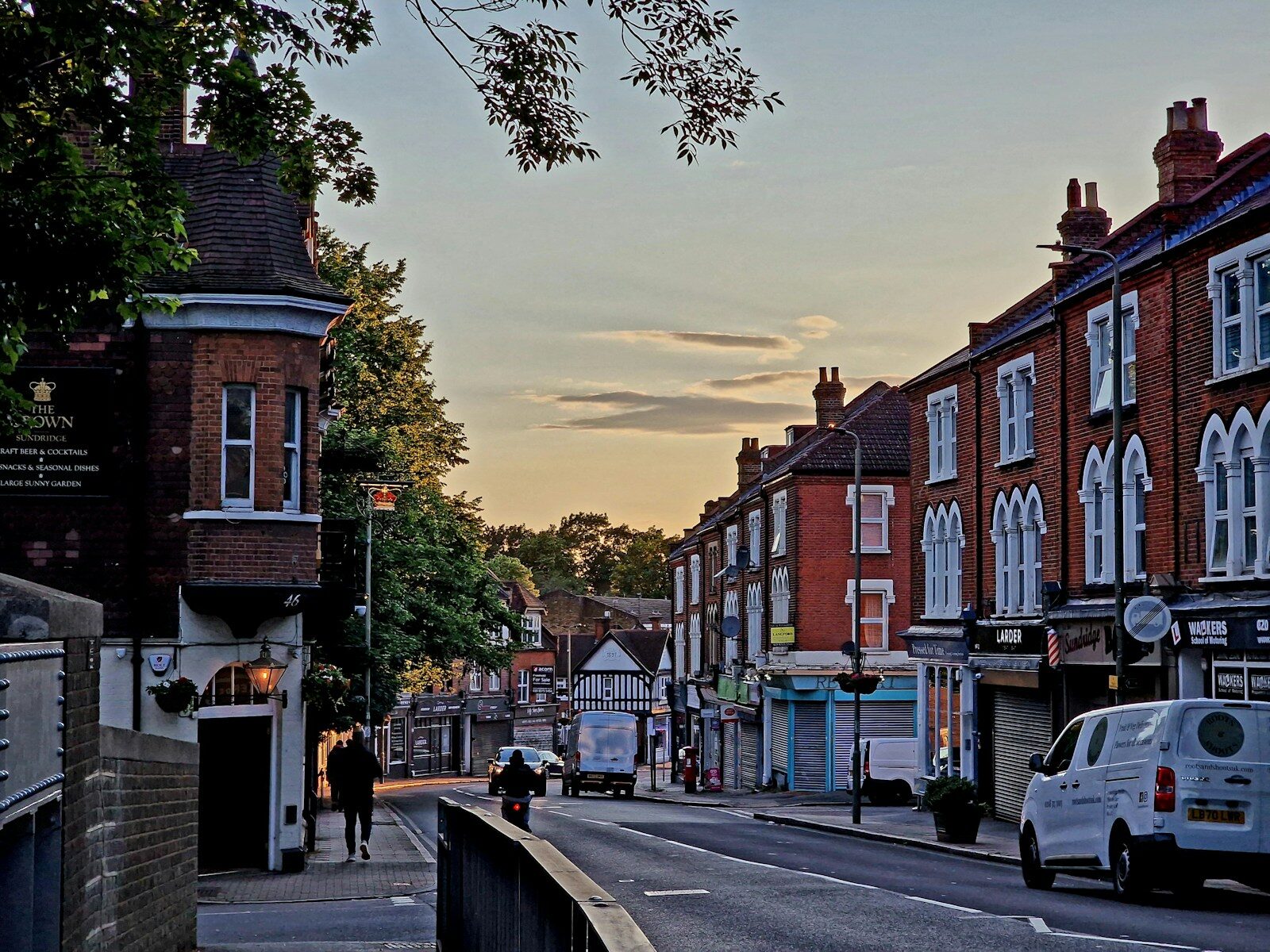
Photo by Krisztina Anna Berecz.