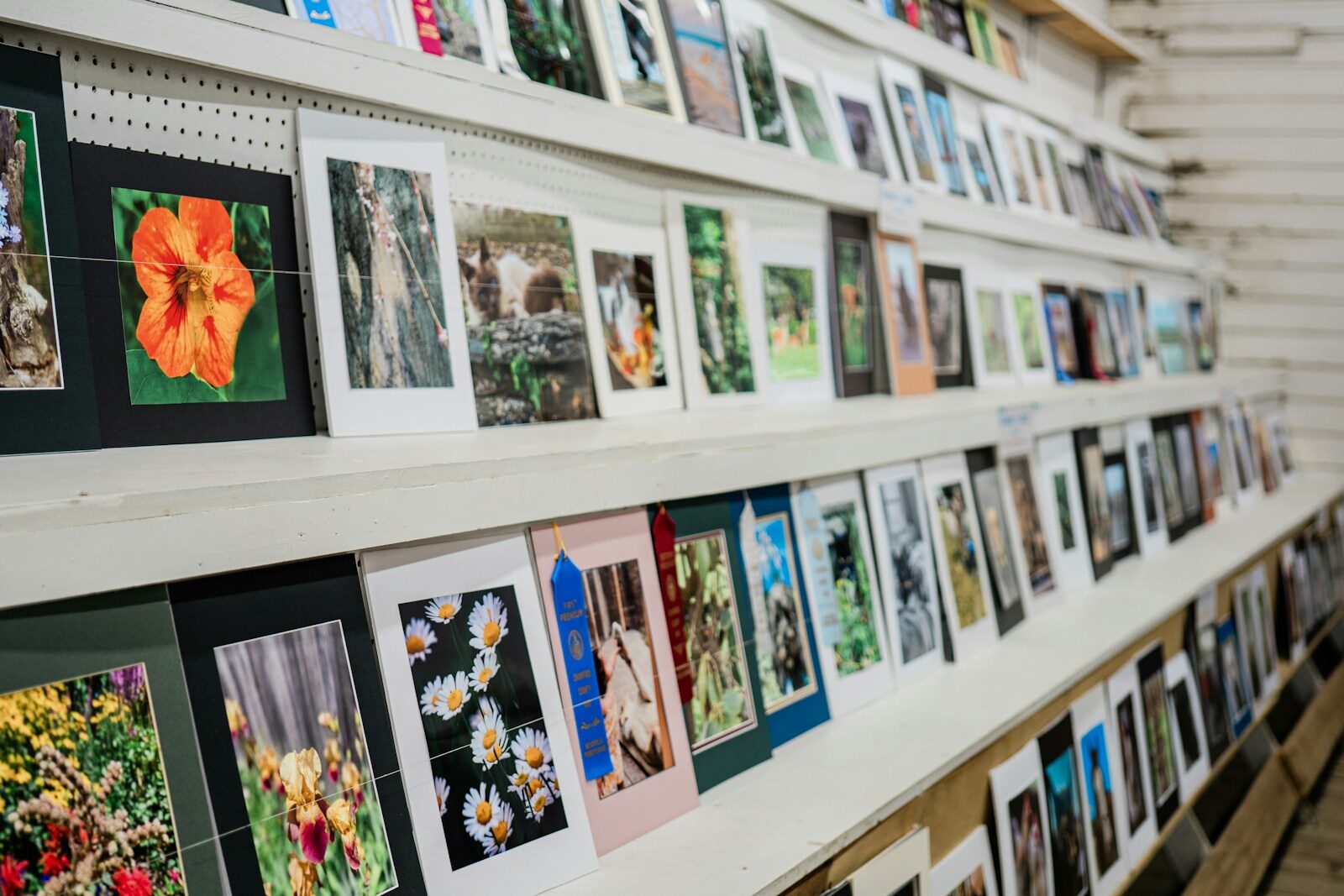
When people talk about galleries, they usually mean the visible parts: the lighting, the wall texts, the quiet choreography of moving from one frame to the next. Far less attention goes to everything behind the scenes. Yet for many museums, colleges and local collections, the real work of preservation starts in the store room, not the exhibition space.
Paintings, prints and works on paper are awkward to keep. They need stable conditions, careful handling and enough space to avoid accidental damage. A collection can be modest in number and still become hard to manage once framing, glazing and conservation needs are taken into account. The romantic image of art as something purely inspirational soon gives way to the practical business of labels, inventories and floorplans.
That is partly why specialist systems such as artwork storage racks matter more than most visitors realise. They are not glamorous, but they shape whether a collection stays accessible, catalogued and safe over decades instead of seasons. Good storage also affects research. If staff can retrieve a work quickly and without risk, it is much more likely to be studied, loaned or included in future displays.
The hidden infrastructure of culture
There is a wider point here. Cultural institutions are often judged by what they present publicly, but their standards also show in the unseen systems that support that public life. Sensible storage is not simply a facilities issue. It is part of stewardship.
- It reduces unnecessary handling.
- It makes audits and cataloguing simpler.
- It helps smaller organisations use limited space better.
In that sense, the humble rack or shelving bay tells us something about cultural care. Looking after art is not only about acquiring it or hanging it well. It is also about building the conditions that let it endure, quietly and properly, long after the private view has ended.
Photo by Jessica Lewis thepaintedsquare.