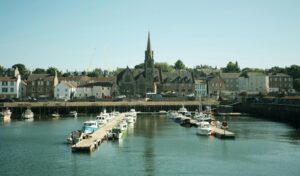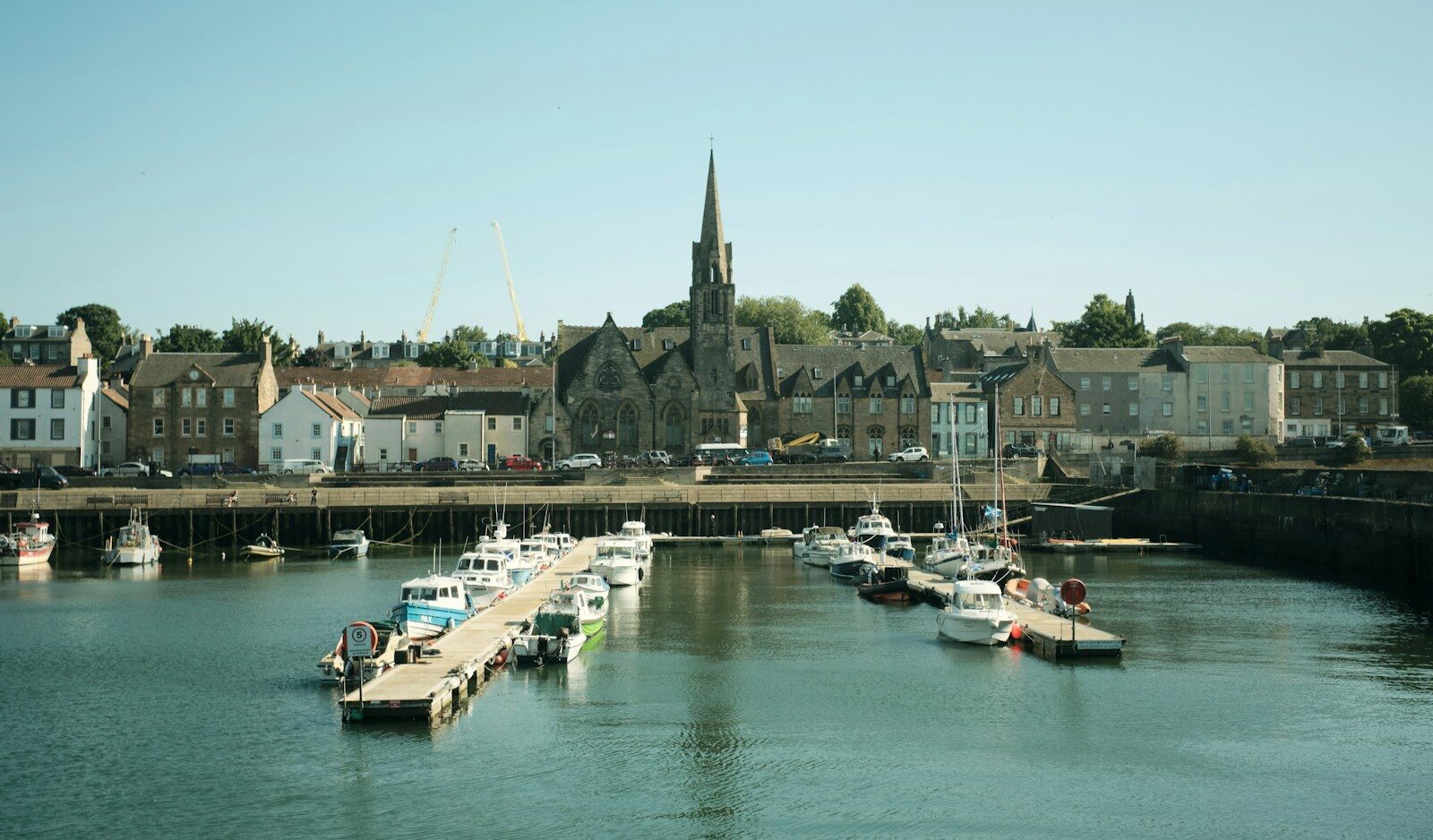
Every town has its obvious landmarks: the high street, the church tower, the supermarket roundabout everyone uses as a point of reference. But the places people remember are often quieter. A bench on the towpath, a bend in the river, a stretch of water that catches the light differently by late afternoon. Waterside spots have a curious effect on towns. They slow things down.
That matters more than it once did. As daily life gets noisier and more hurried, people are drawn to places that offer breathing room without requiring a whole weekend away. A marina, canal edge or riverside path can do that well. Even if you’ve no interest in boating, there’s something reassuring about movement without hurry: ropes being checked, geese causing minor chaos, someone drinking tea on a deck as if they know something the rest of us don’t.
In that sense, places such as Hartford Marina matter beyond their practical role. They’re part of a wider network of everyday places that give a town texture. You might pass through on a walk, stop to watch the water for five minutes, or use it as the point where you turn back before returning to traffic and errands. Not every useful place needs to be dramatic.
The quiet value of waterside spaces
There’s also a civic value in these edges between land and water. They tend to encourage a different kind of public behaviour:
- people linger instead of hurrying through;
- conversations start more easily;
- the setting softens the hard lines of built-up places.
That may sound sentimental, but you can see it in towns across Britain. The best local spaces are not always the grandest or busiest. Sometimes they’re simply the ones that let you pause, look outward and feel, briefly, less hemmed in by the day.
Photo by Martin Porter.